
(Or at least what I’ve found works)
I return again for another article! Because my posts have been mainly focused towards fishkeepers with healthy tanks I figured it was time to write one for fishkeepers in emergencies. Ideally you read this article before a crisis actually happens.
The biggest reason for reading this prior to your fish getting sick is because then you will know how to prevent illness in the first place. It’s a mistake I’ve made very often, especially when I was starting off in the hobby. I would realize my fish looked strange, possibly weeks into its actual illness and end up searching frantically for a quick cure. I’ll have to dig deeper on that bad habit in a more specific post.
How to prevent fin rot
First we need to know how to prevent it. Preventing sickness in a tank is relatively straightforward. To prevent fin rot, keep your tanks’ water quality great, keep the water temperature regular, and pair fish appropriately per their behavior. (That last one is especially important as having fin-nipping fish with long-finned fish is asking for a fight to break out and end in frayed fins.)
Visual identification

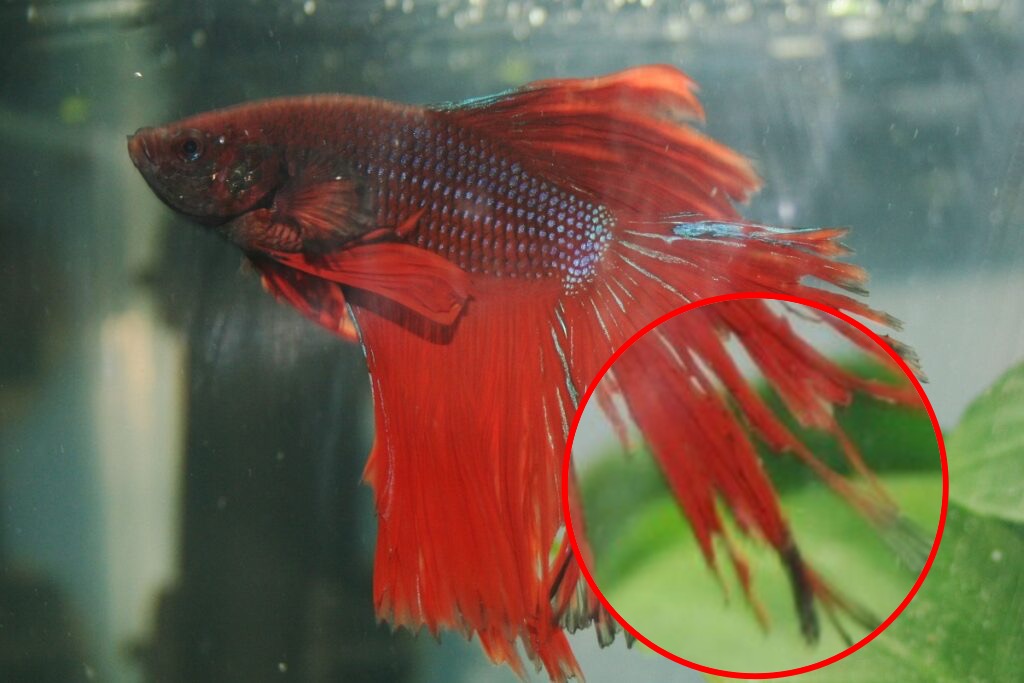
If you fail to properly prevent fin rot, it is fairly simple to identify. The vital thing is to detect the illness before it spreads to more fish.
Additionally, knowing the qualifiers for fin rot is important. Fin rot itself is a bacterial infection that takes hold when a fish’s fins are damaged. Fish with longer fins, like bettas or gouramies, are more susceptible to the illness.
Visual progression
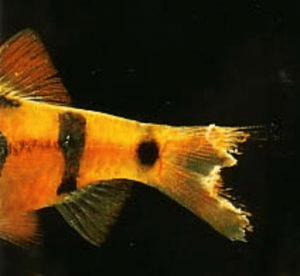
Usually fin rot starts when pieces of finnage are missing from a fish’s tail fin. Then they may look more shredded around the outer rays of the fin, and finally the fin will begin to recede like it’s being eaten away. Fish may also lose their appetite.
Treatment
After you recognize your fish has fin rot, the first thing you should do is set up a quarantine tank. Fin rot is contagious and will spread if given the chance. Isolate the ill fish first, then additionally look through any other fish in the same tank to ensure they’re all still healthy. Now you can move on to actually treating the infection.
In the quarantine tank, we need to make certain a few things – the heater should be a stable, slightly warm temperature (warmer than the tank your fish was in originally, if possible), and no light shining directly on or near the tank as bright light can stress fish. When these parameters are met and all sick fish are transferred to the quarantine tank, you can begin the actual process of treating the infection.
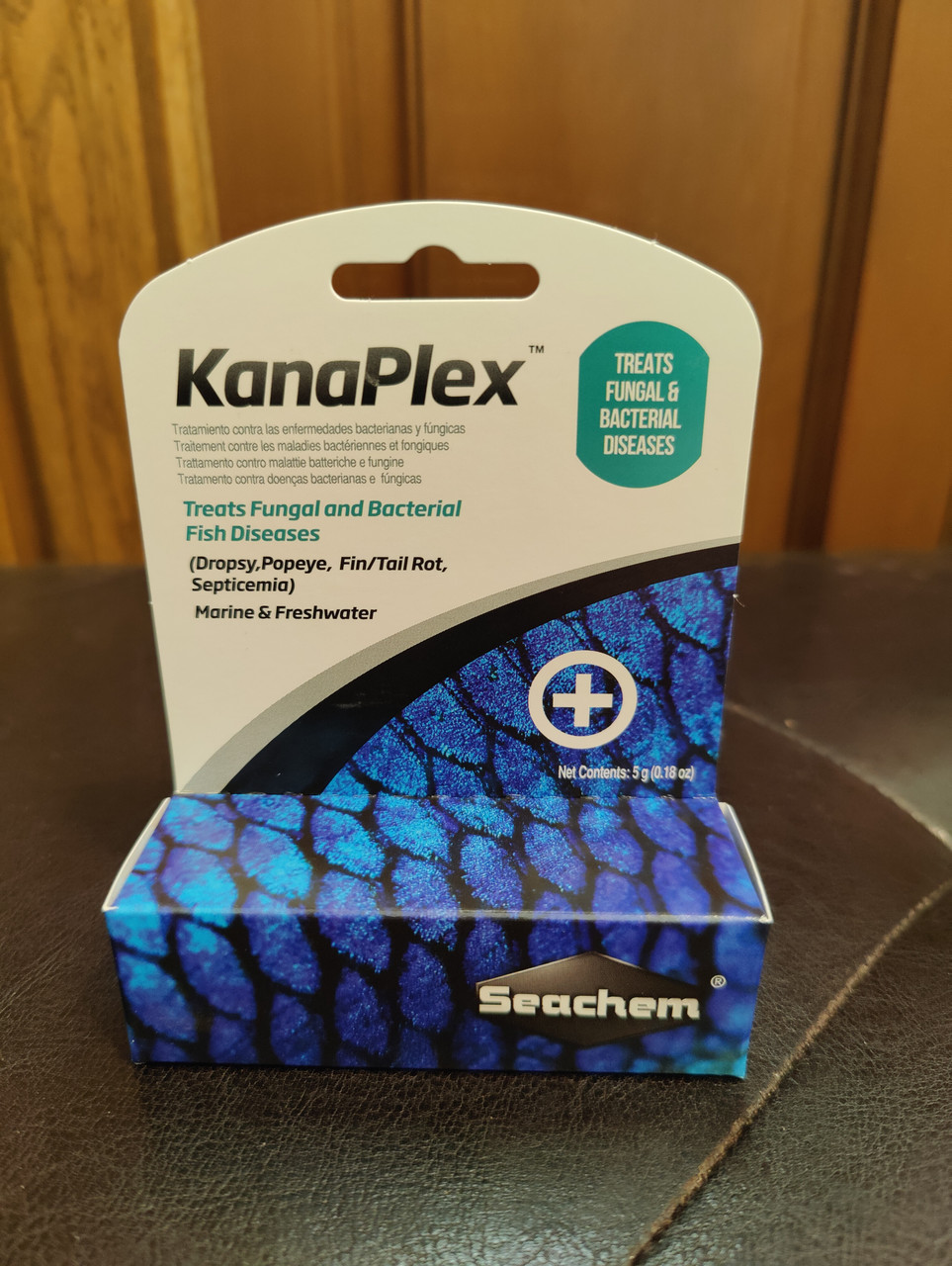
There are several widely effective fin rot treatments on the market today. I recommend using a combination of Seachem’s Kanaplex and API’s freshwater salt together in the quarantine tank. Kanaplex is a remarkably effective medicine for both fungal and bacterial infections, and freshwater aquarium salt can be helpful with killing off bacteria because it changes the water parameters slightly. I’ve heard additionally that methylene blue and API Fin & Body Cure can work wonders for sick fish. Methyl blue can be hard to procure, and expensive sometimes. I’ve never used API Fin & Body Cure myself so therefore can’t attest to it. Another option that works is using API Pimafix, which has quite an interesting smell but works effectively.
My overall recommendation is to have a wide-range treatment readily available in your inventory in the first place.
What will recovery look like?
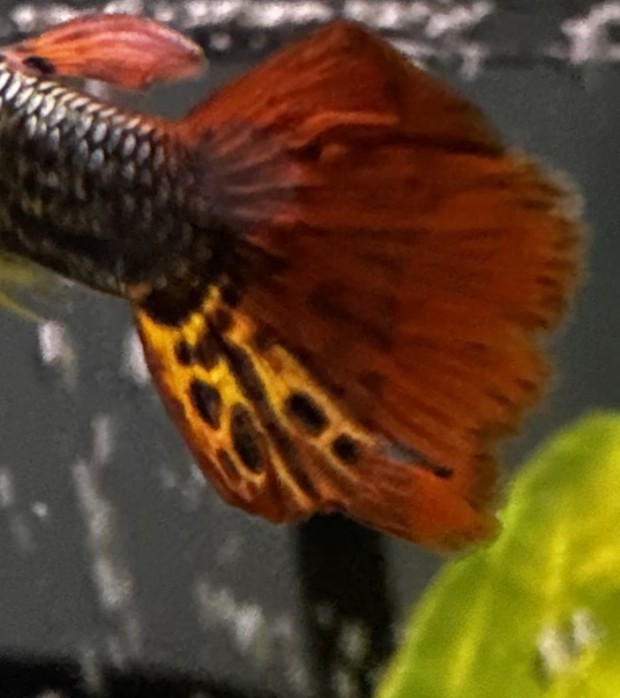
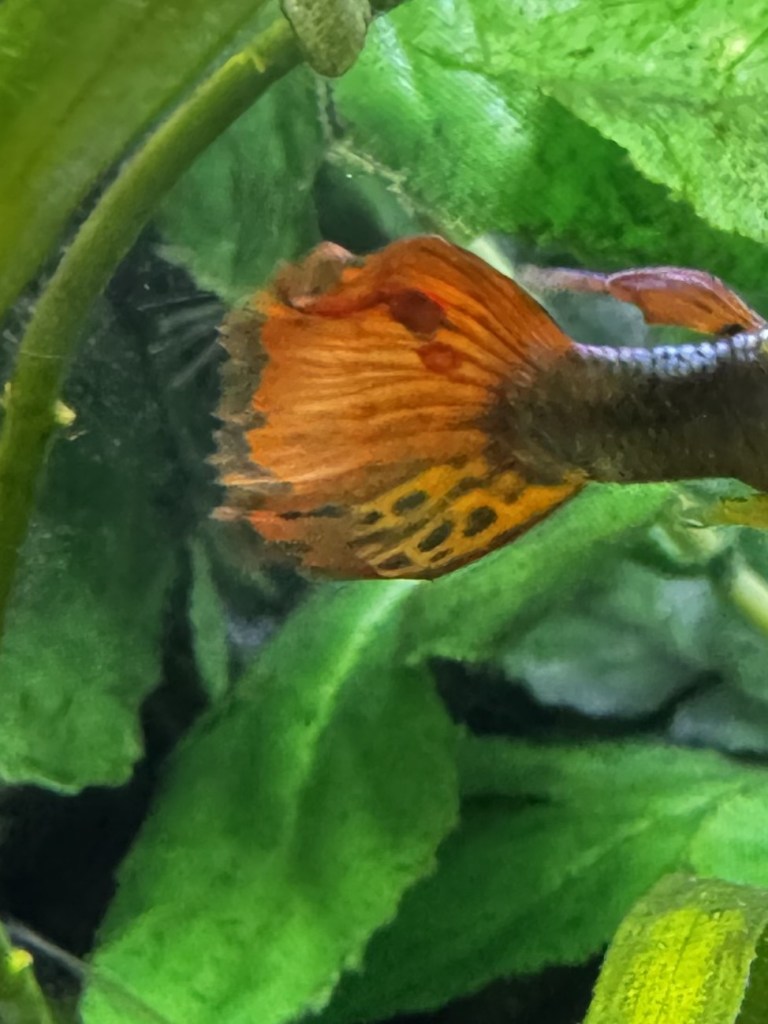
If the infection is stopped, the fish’s fin(s) will stop receding, and over time, grow back. Regrowth won’t always look as bright or patterned as the original. Examples here are progressives of a male fancy guppy regrowing his tail after losing quite a bit of fin. The first is a few weeks after illness and the second is several months later. I treated this fish with a round of Kanaplex and a few water changes.
As a reminder, it’s easiest to treat sickness by preventing it. Best of luck – if you have additional questions, feel free to use the comments section!


Leave a Reply