
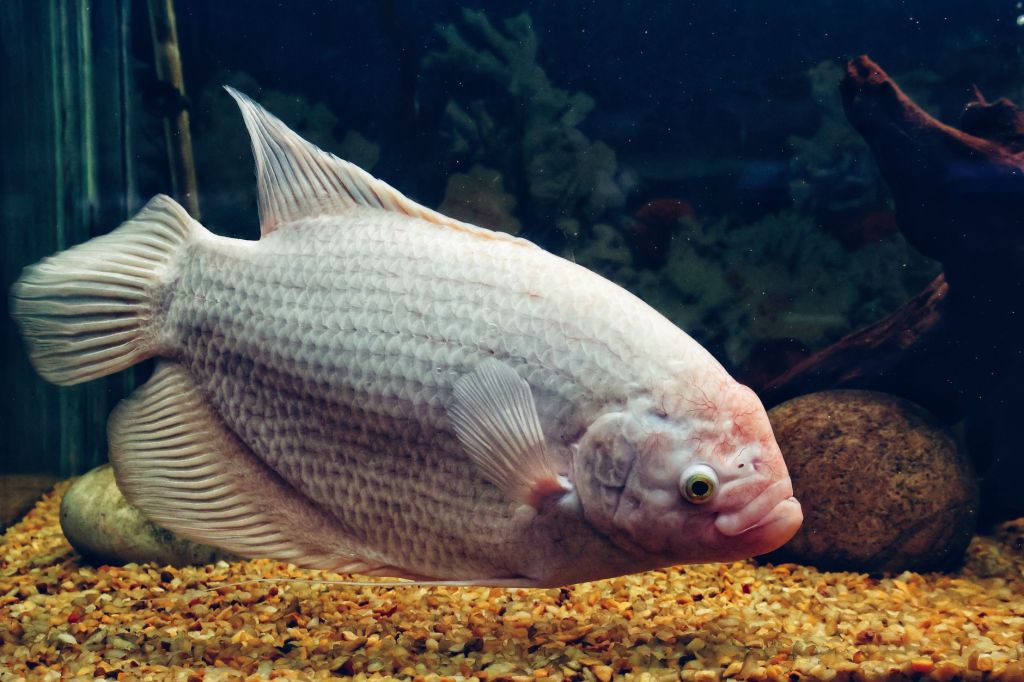
Today’s highlight is one of the most common groups of fish sold domestically: species belonging to the suborder Anabantoidei . I have heard them casually referred to as lung-breathers, gouramies (though there are many more kinds), or labyrinth fish. Most occur in the freshwaters of Asia and Africa. The classification for this group includes having a labyrinth organ that resembles a lung and allows them to breathe air from waters’ surface. Essentially this organ allows anabantoids to breathe air from the surface of the water. Without further ado, here’s a quick look on how to care for an anabantoid.
What kinds of anabantoids are there?
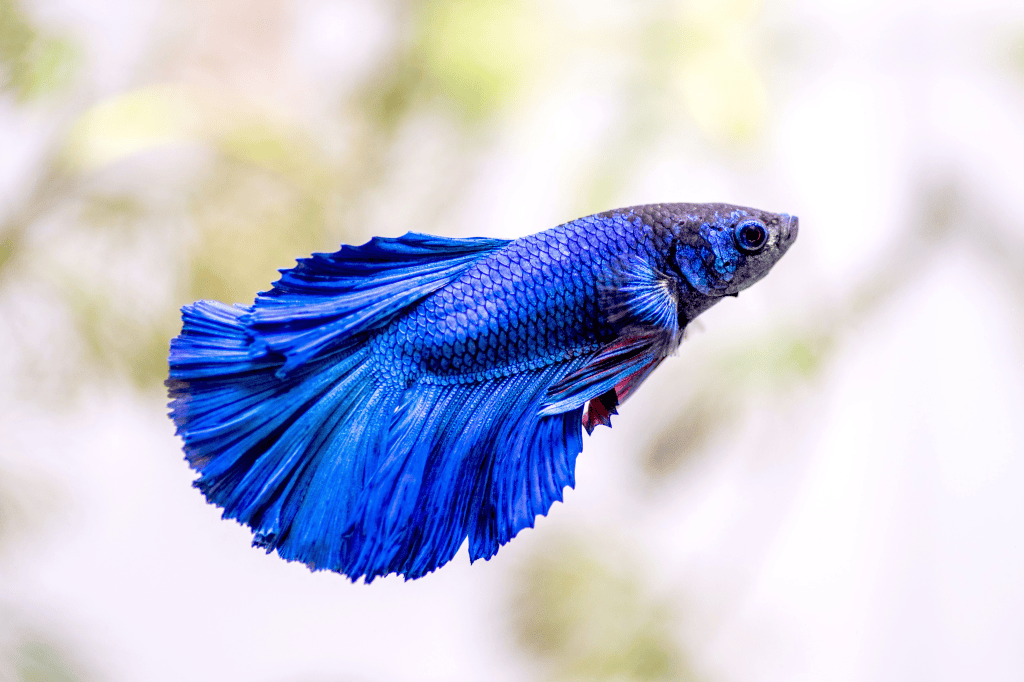
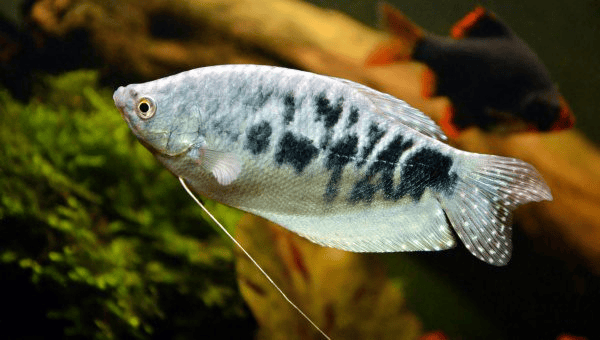
There are three main kinds of anabantoids you’ll see most often – bettas, gouramis, and paradisefish. Versions of all three are often available at even basic pet stores. Bettas are the most prolific, even available on Amazon now! (I have never tried to order one myself.) Gouramis can be a bit more challenging with usually more territorial behaviors that can induce stress if they’re with another of their kind. Paradisefish are really a kind of gourami but are more aggressive and are less commonly listed as one of the anabantoids.
How well do they breed in an aquarium?
To be honest, these fish are probably in second place as far as breeding ease goes, just behind livebearers. Bettas, especially, can be prolific breeders given the right conditions, but are also slightly complicated to take care of. Given the number of possible males being born in a spawning, you’d need to have a lot of separate containers for the babies on hand in order to properly separate them.
How can I tell the difference between a female and a male anabantoid?
It is pretty easy. With bettas, as I’m sure you are aware, males have the iconic, colorful finnage while females are more muted or subtle in color. Gouramis and paradisefish are actually pretty easy to differentiate as well because males have longer finnage and brighter colors than females do. Males also tend to have a smaller body.
What kind of diseases are they prone to?
Anabantoids are mainly prone to fin rot / body rot / fungal diseases but are also susceptible to other illnesses like all fish. Unfortunately, with their elaborate fins, anabantoids are more likely to fall victim to fungal infections, especially if they fight among themselves. Water quality, as well, must be maintained because anabantoids don’t often show if they are having strain with water issues as they will just breathe from the surface more frequently.
What kind of tank do anabatoids prefer?
Usually heavily planted. This kind of fish can be shy in a new tank, especially in the beginning. Make sure there’s access to the surface of the water; otherwise, your fish could suffocate! Additionally, providing good hiding places and keeping water flow peaceful are pretty smart to do.
What kind of food do they eat?
In the wild, anabantoids are obligate carnivores that eat mainly animal matter. Small pellets or freeze-dried food sold for carnivores is a fine meal. These fish also may enjoy the occasional veggie, like spinach, as a treat.
*They also usually do better eating in smaller amounts a few times throughout the day rather than in a singular large sitting.
What water parameters should an anabantoid tank have?
On the topic of water temperature, most anabatoids aren’t extremely fussy unless they’re new to a tank or sick. They also possess a relatively fair tolerance for different PH levels compared to other fish. You will want to test the water frequently and check that the temperature in a tank is stable.
What size tank should I have for an anabantoid?
Tank size is dependent on the size of your fish. Bettas shouldn’t be kept in small bowls or unheated tanks as their permanent home. Unfortunately, that’s a common mistake made popular by stereotypes. Not only does this not allow the fish to have a freer environment, but it also increases the pet’s stress and therefore its risk of illness. If you want to calculate a good tank size for a fish, I recommend using the square inches per gallon rule and then adding two gallons of leeway to a tank size.
How long do anabantoids live?
Gouramis usually live anywhere from 2-5 years. Paradise fish live for around the same time period, on the older end reaching 9 or 10 years old. Bettas live 1-5 years depending on the caretaking they receive.
What kind of tankmates can anabantoids have?
Generally, there are two kinds of temperaments in anabatoids: peaceful or aggressive. Aggressive types that will get injured fighting, like male bettas, should only be kept with snails, peaceful bottom-feeder fish like corydoras, or shrimp (although they may attempt to eat them). Another good piece of advice I’ve heard is to avoid keeping long-finned fish with others similar to them in finnage. Peaceful fish can be kept with other peaceful schooling fish in a community tank, provided there’s enough space for everyone. Avoid keeping fin-nipping species or fishes that need an aggravated water surface in the same tank with anabatoids.
Overall, anabatoids are a diverse group of fish that can be a vibrant addition to any tank that’s made suitable. They make great centerplace fish and with proper care can be some of the most long-finned casual aquarium fish.
 The Fishkeeper Friend
Leave a comment