
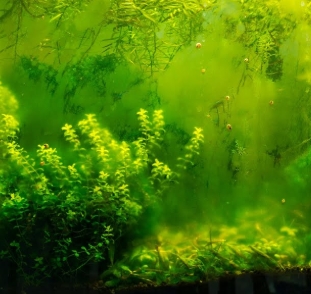
Once you get over the luster of a new tank and things start to settle down, you have to look one of its biggest new problems in the eye – algae. Whether you begin to have issues with cloudy water or green-once-white gravel, algae can become a truly frustrating piece of work that may even discourage your dedication to your tank. I would say I’ve been there, but the fact is that I still am. Algae may not be something you can hit delete on, but there are ways to press backspace.
There are three main ways I know of to reduce algae growth; chemical products, water changes, or through physical removal. In this article my experience through all three, as well as additionally recommend a few products and discourage the use of others.
Tactic 1 – Chemical Products
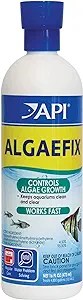
Going straight into this, I’m going to give the term for chemical removal I hold back from using- chemical algae killers. While this might seem like an extreme way to label this technique, it’s the bare truth I’ve learned from several mistakes in my own tank. The products are there to ‘rid’ you from algae, and to do that they have to severely reduce the growth of algae through means of chemicals that really are harsh.
Those chemicals are not forgiving. For a very long period of time, I grappled with a chemical cleaner for the lives of a significant number of fish (About 18-20 in all). In the end I had nothing to show for it except for several humbling casualties. None of the fish touched by this cleaner lived. So therefore, in my experience chemical cleaners have (1) not reduced algae at a worthwhile rate, and (2) simply caused a large number of highly preventable fish deaths.
So by now you likely see my opinion on this tactic. To be honest, the only real reason I got into the use of chemical cleaners in the first place was out of intense frustration towards my tank and its appearance, and this reason catches a lot of other fishkeepers in its net as well. But if my guidance doesn’t steer you away from these products like I would hope it could, and you still wish to try out a chemical algae cleaner on your tank and its ecosystem, you’ve been warned.
Tactic 2 – Water Changes
If you’re looking for a solution to an algae problem related to algae caked onto decor or tank walls, skip this section. The water changing tactic is mainly intended for tanks that need relief from waterborne algae (cloudy, green water). I’ll keep this section relatively brief, as I assume most of you have already guessed how this tactic works.
The idea mostly centers around relatively small water changes within a set time period to reduce the amount of algae. Most sources recommend a 10-20% water change, with the sweet spot being somewhere in the 10-15% range. As for how often to conduct these water changes, every 1-2 weeks is the most common suggestion.
To tell the truth, I’ve done a whole-tank cleanout for algae where I did 20-30% changes nearly every or every other day for about a week, and my fish were fine with it. Really, it’s up to you to decide how much and how often you change your water and figure out what your fish can handle.
However, you may still be stuck in the algae ‘season’ of your tank for quite a while during and after your treatment, and if you’re anything like me it could be a pretty hard to tolerate period. Just don’t give in to the flashy chemical products or overuse of them to solve your problem! Chemicals or really any overuse of an algae ‘treatment’ will just lead to destruction.
Physical Removal
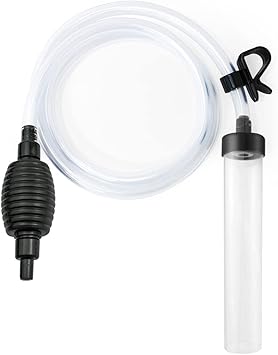
Overall the real ‘tried-and-true’ tactic for getting rid of troublesome, annoying algae stuck anywhere on your tank, physical removal is the least risky and should be your first option for algae removal lined up. Like I’ve emphasized before, nothing now or likely ever will be able to permanently remove algae from a tank, but scrubbing it away is the best option for the long-term.
But how should you physically remove algae from your tank? There are quite a few options on the market, so here are my recommendations, as well as what to steer away from.
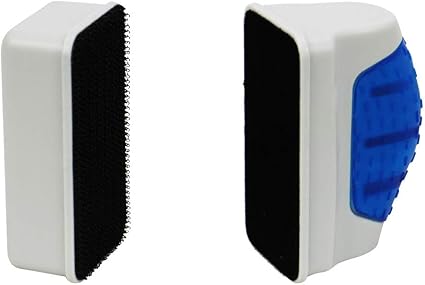
A magnetic algae scrubber is not for tanks with sand. A magnet cleaner will grab up any sand at the bottom of your tank and scrape it against the glass, causing permanent and irreversible scratch marks in your glass or acrylic. But even for gravel tanks, this wouldn’t be my top recommendation for efficiency, since the scraping part of the cleaner is made of Velcro-like material and usually leaves annoying missed spots.
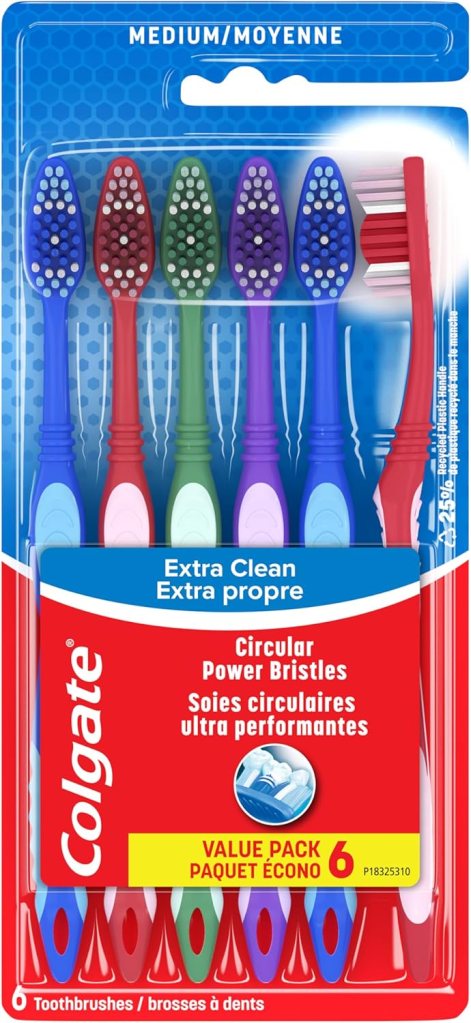
A toothbrush may seem like a strange option for use in a fish tank, but for getting nooks and crannies in the aquarium, I keep a toothbrush on deck at all times. Since a toothbrush has flexible bristles that move around, they get more area than magnetic cleaners do. Just make sure you’re using a new toothbrush, not one with toothpaste traces on it!

This product you’re probably familiar with from the kitchen- a dish scrubber. Due to the larger size and scratch less design, a dish scrubber actually works great for removing algae in a tank and I honestly have not found a greater product yet. Bonus-since they’re sold in bulk and intended for kitchen use, they’re not as pricey as some aquarium-targeted products can get.
All in all, it’s going to be your experiment for your tank to find out what works. I know people who use the algae cleaner that for me killed almost 20 beloved fish. Before you leave, a few friendly tips you can try to reduce or try and get rid of algae –
Check ammonia levels if your tank is experiencing an algae bloom, it could be because you’re due to get out the buckets and clean.
Go dark if you’re having a hard time. Clean the tank all the way out and leave the light off for a week or two and see if that was the reason behind your algae.
Check in on your filter. It could be the lack of water circulation causing your green epidemic. It is possible your pump or impeller needs to retire.
Most importantly, stay patient! Don’t rush into an algae fix, especially chemical cleaners or a full tank cleanout – make a good plan that’s not going to stress your fish.

 The Fishkeeper Friend
Leave a reply to Ryan S. Cancel reply